
“`html
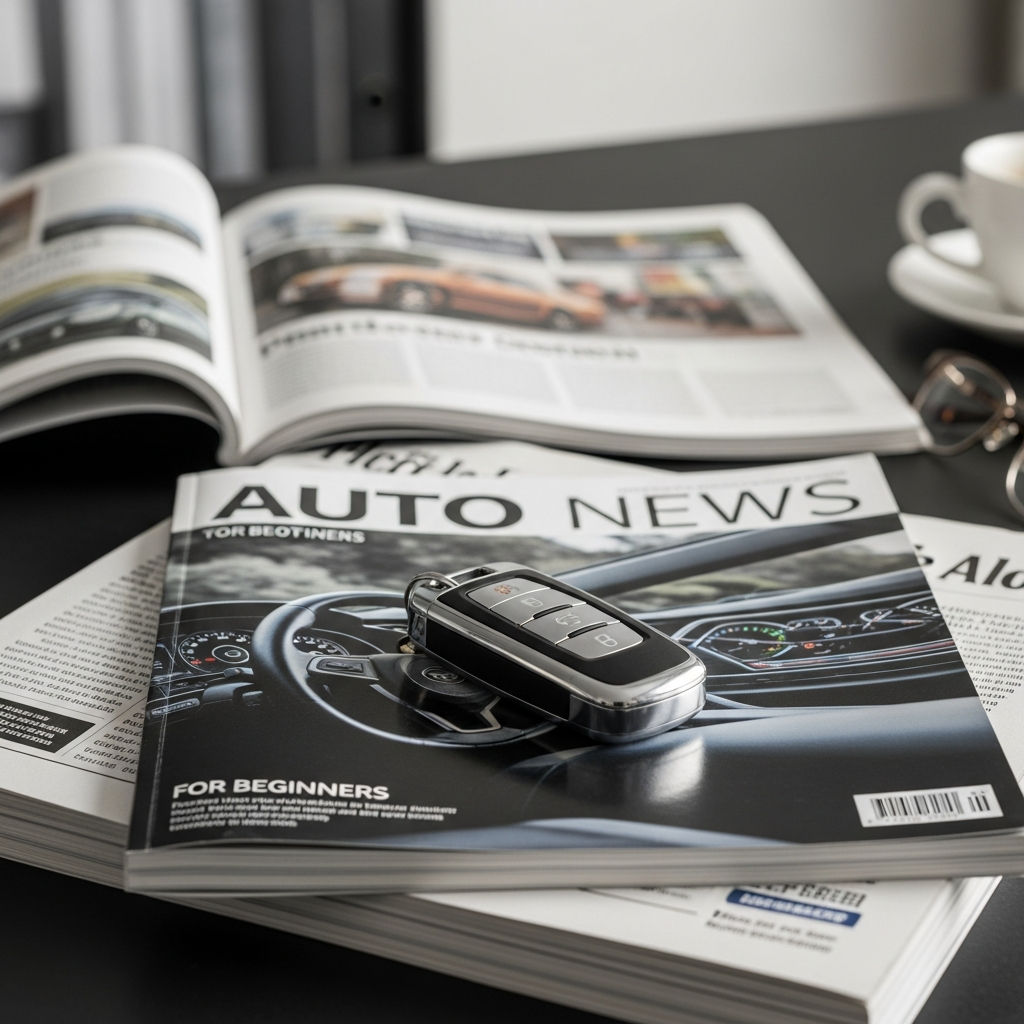
The Powerful Guide to Auto News for Beginners
The automotive industry is no longer just about gears, oil, and horsepower. In the modern era, it has transformed into a high-tech landscape filled with artificial intelligence, sustainable energy, and groundbreaking design. For a beginner, stepping into the world of auto news can feel like walking into a conversation spoken in a different language. However, staying informed about the car industry is essential, whether you are planning to buy a new vehicle, investing in stocks, or simply want to understand how transportation is evolving.
This comprehensive guide is designed to help beginners navigate the fast-paced world of automotive journalism. We will break down why auto news matters, the terminology you need to know, and where to find the most reliable information.
Why Should You Follow Auto News?
You don’t have to be a “gearhead” to benefit from following automotive updates. Here are several reasons why keeping an eye on the industry is a smart move:
- Financial Savvy: A car is often the second-largest purchase a person makes. Knowing when new models are released can help you time your purchase to get the best deals on outgoing models.
- Safety Awareness: Auto news outlets are the first to report on major safety recalls and crash test ratings from organizations like the IIHS and NHTSA.
- Technological Literacy: With the rise of Electric Vehicles (EVs) and Autonomous Driving, cars are becoming computers on wheels. Understanding these shifts helps you stay relevant in a tech-driven world.
- Environmental Impact: News regarding emissions standards and green energy allows you to make more eco-conscious decisions about your personal carbon footprint.
Understanding the Different Types of Auto News
Not all automotive news is created equal. To digest information effectively, it helps to categorize what you are reading:
1. New Car Reveals and Launches
This is the most “glamorous” side of auto news. Manufacturers host major events or attend international auto shows (like the Geneva or Detroit Auto Show) to unveil new models. For a beginner, these articles provide a glimpse into future design trends and what features will soon become standard in everyday vehicles.
2. Industry Trends and Market Analysis
This type of news focuses on the business side. Are SUV sales climbing while sedans decline? Is there a microchip shortage affecting car prices? Following market analysis helps you understand why your local dealership has high markups or why certain brands are discontinuing your favorite models.
3. Reviews and Road Tests
Professional journalists spend a week with a vehicle to test its real-world performance. For beginners, these are the most practical articles to read. Look for keywords regarding fuel economy, cargo space, and infotainment ease-of-use.
4. Legislative and Regulatory News
Governments play a massive role in the car industry. News regarding tax credits for electric vehicles, new emissions laws, or bans on internal combustion engines by 2035 are critical for long-term planning.
The Beginner’s Jargon Buster
One of the biggest barriers for beginners is the technical shorthand used by enthusiasts. Here is a quick cheat sheet to help you decode the most common terms:
- ICE (Internal Combustion Engine): A traditional vehicle that runs on gasoline or diesel.
- EV (Electric Vehicle): A car powered entirely by electricity.
- PHEV (Plug-in Hybrid Electric Vehicle): A car that has both a battery (which you can plug in) and a gas engine.
- Torque: In simple terms, this is the “pulling power” or the “oomph” you feel when you step on the gas from a stop.
- ADAS (Advanced Driver Assistance Systems): Features like lane-keep assist, adaptive cruise control, and automatic emergency braking.
- Crossover (CUV): A vehicle that looks like an SUV but is built on a car-based frame, usually offering better fuel economy and a smoother ride.
How to Evaluate a Car Review
When you start reading auto news, you will encounter thousands of car reviews. To get the most out of them, focus on these three pillars:
The “Living With It” Factor
Does the reviewer mention if the seats are comfortable for long trips? Is the trunk large enough for a stroller? Beginners should prioritize utility over 0-60 mph sprint times unless they are looking for a sports car.

The Tech Experience
In today’s market, the “user interface” is just as important as the engine. Check if the review mentions Apple CarPlay or Android Auto compatibility, and whether the touchscreen is laggy or intuitive.
Depreciation and Reliability
Good auto news sources will often reference the brand’s history of reliability. Reading about a car’s “resale value” is vital because it tells you how much money you will lose when it comes time to trade the vehicle in.
Top Sources for Reliable Auto News
Where you get your news matters. For a beginner, it is best to stick to established outlets that have rigorous testing standards:
- Car and Driver / MotorTrend: The “gold standard” for deep technical dives and comprehensive performance testing.
- Consumer Reports: Excellent for beginners who want unbiased, data-driven advice on reliability and safety without the enthusiast “hype.”
- Edmunds and Kelley Blue Book (KBB): These are the best sources for pricing data, “best of” lists, and shopping tools.
- The Verge / Engadget (Automotive Sections): If you are more interested in the technology and software side of cars, these tech-focused sites offer great perspectives on EVs and self-driving tech.
The Future of Auto News: What to Watch For
As you begin your journey into automotive news, you will notice a few recurring themes that are currently dominating the headlines. Keeping an eye on these will make you an expert in no time:
The Transition to Electrification: Almost every major automaker has pledged to go electric. News regarding solid-state batteries and charging infrastructure is the current “hot topic.”
Software-Defined Vehicles: Cars are increasingly receiving “over-the-air” (OTA) updates, much like your smartphone. This means a car’s features can change or improve even after you’ve bought it.
Autonomous Features: While truly “self-driving” cars are still in development, news regarding “Level 2” and “Level 3” autonomy (where the car handles steering and braking under certain conditions) is frequent and important for safety.
Conclusion: Start Your Engines
Navigating auto news doesn’t have to be overwhelming. By focusing on the practical aspects of the industry—such as safety, technology, and market trends—you can transform from a confused beginner into a confident consumer. Start by picking one or two reliable sources and spending ten minutes a week skimming the headlines. Before you know it, you’ll be the person your friends and family turn to for car buying advice.
The world of automotive innovation is moving faster than ever. Stay informed, stay curious, and enjoy the ride!
“`